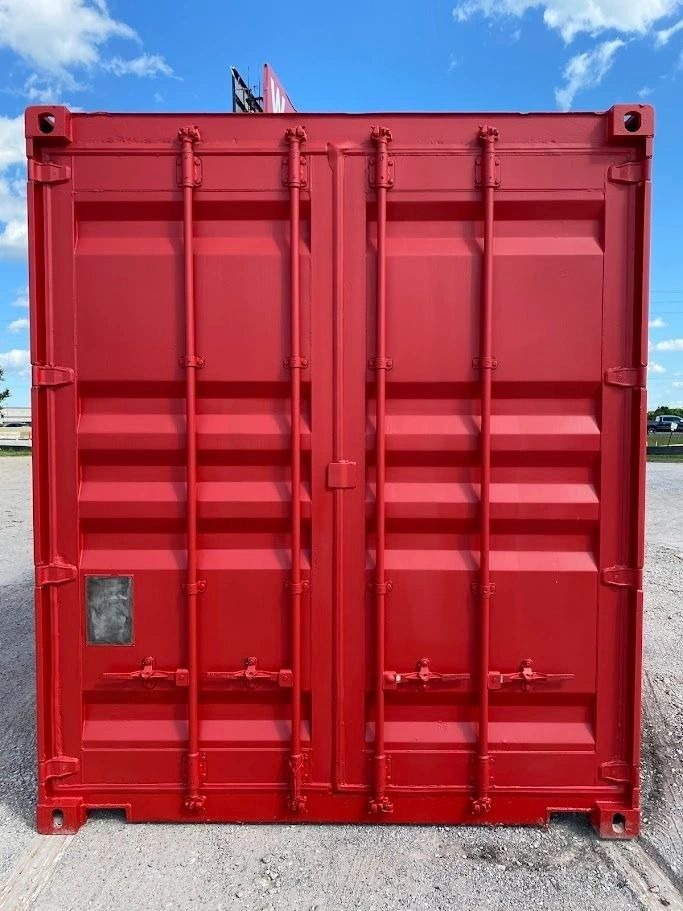
What Is The Largest Shipping Container Size?
Shipping containers have changed worldwide trade since their creation, streamlining the procedure of transferring products across the world. With the rise of international shipping, the need for larger containers to accommodate various types of cargo has actually increased. This blog post looks into the world of shipping containers, focusing on the largest sizes readily available in the industry today.
Comprehending Shipping Container Sizes
Shipping containers come in various sizes, but the most typical ones are measured in twenty-foot comparable units (TEUs). A TEU is a standard step that represents a container measuring 20 feet in length, 8 feet in width, and 8.5 feet in height. Alternatively, a forty-foot comparable system (FEU) measures 40 feet in length, which is equivalent to 2 TEUs.
Here's a quick introduction of common shipping container sizes:
| Container Type | Length (ft) | Width (ft) | Height (ft) | TEU Equivalent |
|---|---|---|---|---|
| Requirement Container | 20 | 8 | 8.5 | 1 |
| Requirement Container | 40 | 8 | 8.5 | 2 |
| High Cube Container | 40 | 8 | 9.5 | 2 |
| High Cube Container | 45 | 8 | 9.5 | 2.25 |
| 48-foot Container | 48 | 8 | 8.5 | 2.4 |
| 53-foot Container | 53 | 8 | 9.5 | 2.65 |
| Super High Cube Container | 45 | 8 | 13.5 | 2.25 |
The Largest Shipping Containers
The largest shipping containers in routine usage today are the 53-foot and 45-foot containers. The very high cube containers, which reach heights of 13.5 feet, are likewise noteworthy. They offer additional cubic capacity for cargo, which is significant for products that can fit vertically.
Secret Features of the Largest Containers
- Size and Capacity: The 53-foot container is frequently used for carrying dry items, while the 45-foot versions are popular for worldwide shipping due to their ideal balance of workable size and cargo volume.
- Product: Made mainly from steel, larger containers keep resilience while taking full advantage of area.
- Weight Limits: The optimum payload is frequently around 67,200 pounds for the 53-foot containers, which is considerable for heavy cargo.
- Ventilation and Waterproofing: Larger containers typically come with innovative features like ventilation systems and waterproofing choices to safeguard delicate cargo.
- Customization Options: Depending on the shipping business, bigger containers can be customized for particular needs, consisting of refrigeration, temperature level control, and more.
Benefits of Using Larger Shipping Containers
Shipping bigger containers has unique benefits, particularly for companies reliant on global shipping. Here are a number of benefits:
- Efficiency in Transport: Larger containers reduce the variety of journeys needed, thereby decreasing transport costs.
- Decreased Carbon Footprint: Fewer trips indicate a lower carbon footprint per unit of cargo transferred, which is progressively important in today's environmentally conscious shipping market.
- Increased Capacity: Larger containers permit businesses to deliver more products in a single container, optimizing inventory management.
- Less Packaging Waste: Utilizing larger containers can substantially reduce packaging materials, promoting sustainability.
Often Asked Questions (FAQ)
1. What is the largest shipping container size offered?
The largest standard shipping container size is a 53-foot container used primarily in North America. However, custom-made and customized containers can exceed this size, specifically in specialized shipping situations.
2. How are shipping containers determined?
Shipping containers are determined in TEUs and FEUs. A TEU is a container 20 feet long, while an FEU refers to a 40-foot container.
3. What is the maximum weight capability for big shipping containers?
The weight capacity can differ. A 53-foot container normally has an optimum payload of about 67,200 pounds. Always contact shipping providers for particular limitations.
4. Are cogcontainersltd to deliver?
Generally, larger containers may involve higher shipping expenses due to their size and weight. However, the total cost can be lower when considering cost-per-unit shipping effectiveness.
5. Can large containers be used for all kinds of cargo?
Larger containers can accommodate different kinds of cargo, however sensitive or perishable items may need customized containers like refrigerated ones for correct transport.
The logistics of shipping need a careful balance of container size, weight capability, and cargo type. Understanding the largest shipping container sizes available today can substantially benefit businesses taken part in worldwide trade. By leveraging bigger containers, companies can boost their efficiency, lower costs, and promote sustainability in their shipping practices. As international trade continues to progress, the demand for innovative container options will only drive the market forward.